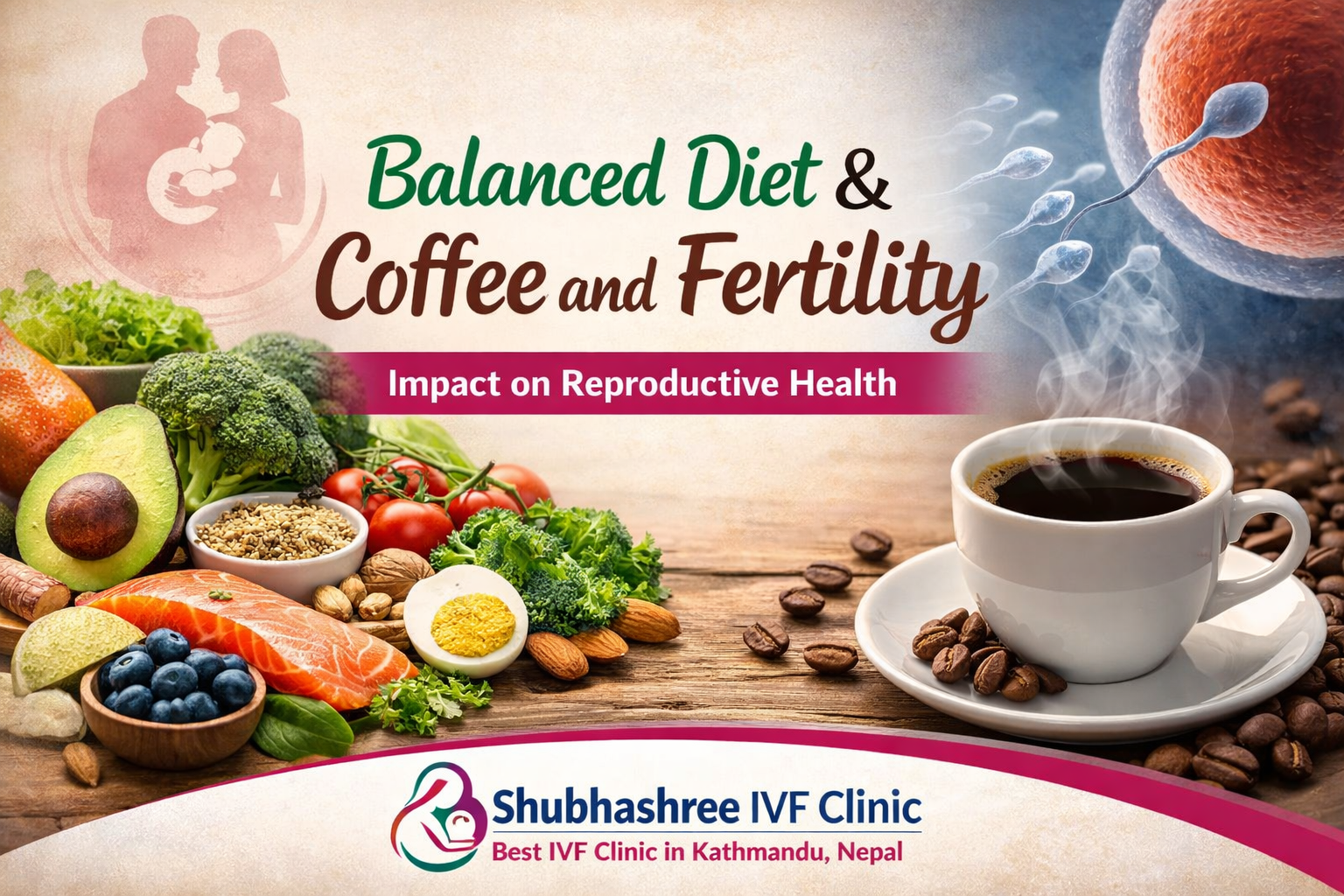
When planning for pregnancy, nutrition plays a crucial role in reproductive health. At Shubhashree IVF Clinic, the best IVF clinic in Kathmandu, Nepal, we emphasize the importance of a balanced diet and healthy lifestyle choices to improve fertility outcomes for both men and women. Among the many dietary concerns, maintaining proper nutrition and moderating caffeine intake—especially coffee—are two key factors that can significantly influence fertility.
Why Is a Balanced Diet Important for Fertility?
A balanced diet for fertility provides the essential nutrients required to support hormonal balance, reproductive function, and overall well-being. Consuming nutrient-rich foods such as fresh fruits, vegetables, whole grains, lean proteins, and healthy fats helps the body function optimally during the conception journey.
Key Benefits of a Balanced Diet for Fertility
- Hormonal Balance: Proper nutrition supports the regulation of reproductive hormones like estrogen and progesterone, which are essential for ovulation and regular menstrual cycles.
- Improved Egg Quality: Antioxidant-rich foods help reduce oxidative stress, improving egg quality and ovarian health.
- Healthy Body Weight: Maintaining a healthy BMI is vital, as being underweight or overweight can negatively impact fertility and IVF success rates.
- Regular Ovulation and Menstrual Cycles: Adequate intake of vitamins and minerals promotes consistent ovulation and cycle regularity.
- Enhanced Sperm Health: In men, a fertility-friendly diet improves sperm count, motility, morphology, and DNA integrity.
Essential Nutrients for Fertility
Certain vitamins and minerals are especially important when trying to conceive:
- Folate: Supports healthy ovulation and reduces the risk of birth defects.
- Zinc: Essential for hormone production and sperm development.
- Vitamin D: Plays a key role in egg quality, implantation, and sperm function.
- Omega-3 Fatty Acids: Improve reproductive cell health and reduce inflammation.
A well-planned diet not only increases the chances of natural conception but also prepares the body for IVF treatment, a healthy pregnancy, and smoother postpartum recovery.
Does Drinking Coffee Affect Fertility?
Coffee is a daily habit for many, but its impact on fertility depends largely on how much caffeine is consumed.
Caffeine and Female Fertility
Excessive caffeine intake may interfere with hormonal balance in women. High levels of caffeine can disrupt estrogen and progesterone, potentially affecting ovulation and menstrual regularity. This hormonal imbalance may lower the chances of natural conception and affect IVF outcomes.
Caffeine and Male Fertility
In men, excessive coffee consumption has been linked to reduced sperm quality. High caffeine intake may negatively affect:
- Sperm count
- Sperm motility
- Sperm DNA integrity
These factors can reduce the likelihood of successful fertilization.
How Much Coffee Is Safe When Trying to Conceive?
Moderate coffee consumption is generally considered safe. Most fertility specialists recommend limiting caffeine intake to 200 mg per day (about one small cup of coffee) when planning a pregnancy or undergoing fertility treatment. Avoiding excessive coffee and energy drinks is advised during preconception and pregnancy.
Fertility Care at Shubhashree IVF Clinic, Kathmandu
At Shubhashree IVF Clinic, we take a holistic approach to fertility treatment. Along with advanced IVF, IUI, and fertility preservation services, we provide personalized guidance on nutrition, lifestyle changes, and reproductive health to improve success rates.
As a trusted IVF clinic in Kathmandu, Nepal, our expert fertility specialists work closely with couples to address diet, caffeine intake, weight management, and other lifestyle factors that influence fertility.
Conclusion
A balanced diet and mindful caffeine consumption play a vital role in supporting fertility in both men and women. Nutrient-dense foods help regulate hormones, improve egg and sperm quality, and prepare the body for pregnancy, while excessive coffee intake may reduce the chances of conception. Making informed dietary choices can significantly enhance natural fertility and IVF success.
If you are planning to conceive or considering fertility treatment, consult the experts at Shubhashree IVF Clinic—the best IVF clinic in Kathmandu, Nepal—for comprehensive fertility care and personalized guidance.